the PAL Program Model & framework
About the PAL Program Model & Framework
Program participants engage with the PAL Framework, which guides collaborative course design through partnership-oriented teaching, process-oriented learning, and AI awareness. This model is uniquely suited to addressing rapid changes in technology and cultural attitudes toward AI by framing conversations about AI in the classroom as ongoing and evolving.
| Partnership-Oriented Teaching | By creating partnership-oriented educational environments, students become more aware of how AI can both support and hinder their learning, while instructors become more creative in how they thoughtfully engage students in making decisions about AI in academic and professional contexts. |
| Process-Oriented Learning | As AI tools become increasingly capable of producing polished work products, such as papers and presentations, greater emphasis should be placed on the process of learning, with classroom structures and assessments that foster and reward this approach. |
| AI Awareness | Through partnership- and process-oriented approaches, both students and instructors develop a more robust AI awareness and the implications of their choices, better preparing students to navigate AI in the professional environments they will encounter after graduation. |
PAL Programs
Purdue Libraries and School of Information Studies offers the PAL experience in two different programs:

Partners in AI Literacy (PAL)
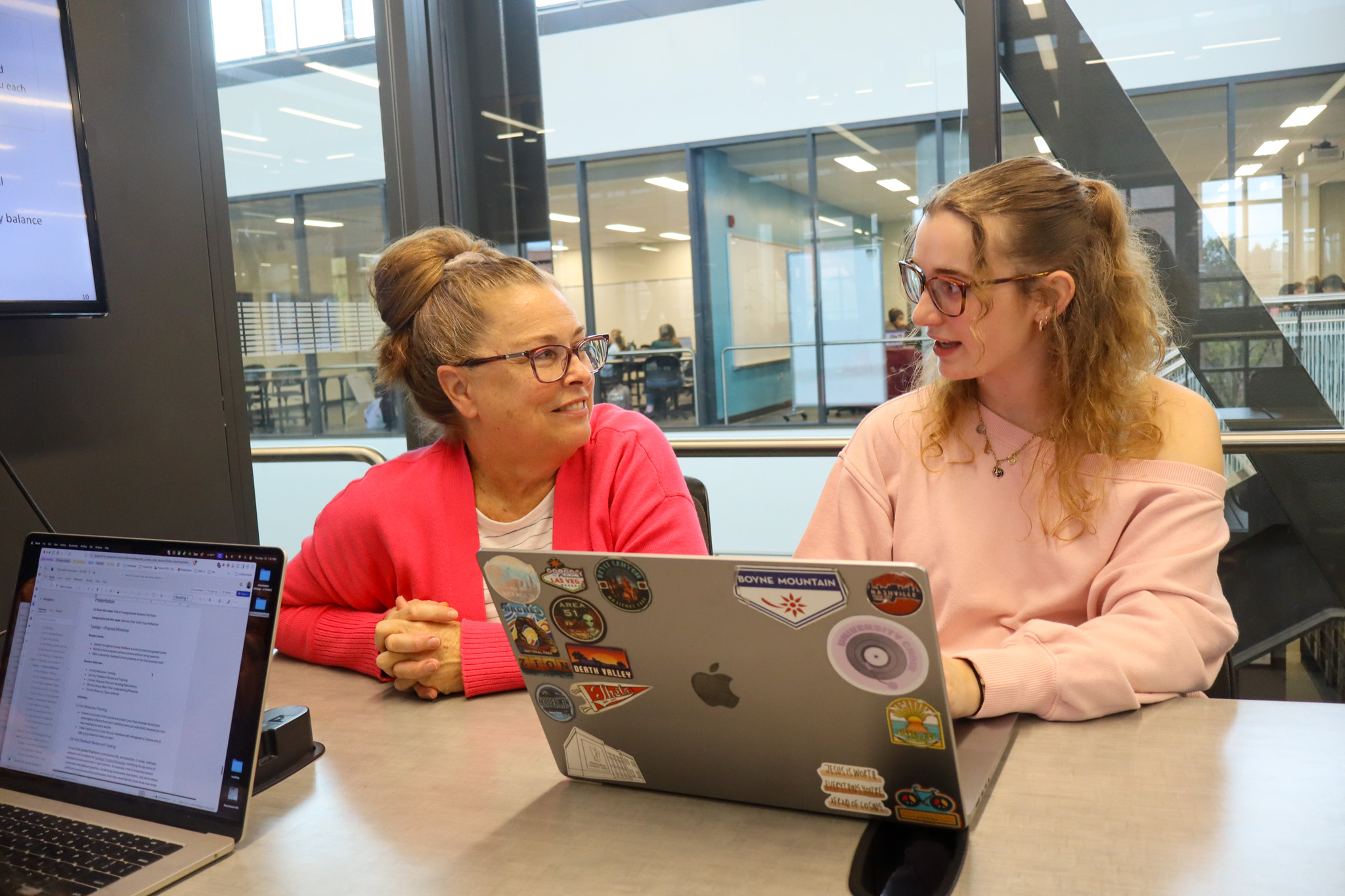
This program is open to current Purdue University undergraduate students and instructors. Students and instructors are paired together to collaboratively develop solutions to AI-related challenges and opportunities in the classroom. The program runs once per academic year and currently accepts a cohort of 20 participants.
PAL Academic Librarians’ Studio (PAL Studio)
This national program is designed for librarians at academic institutions across the country. Fifteen accepted participants will learn the PAL model and develop their own partnership-based programs to implement at their home institutions. Participants will attend a three-day professional development program in July 2027. Funded through an IMLS grant, the program provides financial support to help participants attend the in-person workshops and implement a PAL program at their institutions.